
Understanding How Dental Erosion Affects Your Enamel and What You Can Do About It
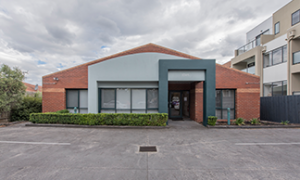
Dental erosion is one of those conditions that often goes unnoticed until it’s already caused significant damage to your teeth. At Family Dental Care, our dentist in Doncastereast sees patients regularly who are surprised to learn that their enamel has been gradually wearing away, leaving their teeth vulnerable to sensitivity, discolouration, and decay. Understanding what causes dental erosion and how to protect your enamel is essential for maintaining a healthy smile throughout your life.
What Is Dental Erosion?

Dental erosion occurs when acids wear away the hard outer layer of your teeth, known as enamel. Unlike tooth decay, which is caused by bacteria, erosion is a chemical process that dissolves the mineral content of your enamel. Once enamel is lost, it cannot regenerate, making prevention absolutely crucial. We often explain to our patients that enamel is like a protective shield for your teeth, and when that shield weakens, the underlying layers become exposed and vulnerable.
Common Causes of Enamel Erosion
The causes of dental erosion are more varied than many people realise. Whilst acidic foods and drinks are the most well-known culprits, there are several other factors that can contribute to enamel loss.
Dietary Acids
Acidic beverages such as soft drinks, fruit juices, and wine are amongst the primary causes of dental erosion. Even seemingly healthy options like citrus fruits and vinegar-based dressings can contribute to enamel wear when consumed frequently. As a dentist in Doncastereast, we advise our patients to be mindful of how often they expose their teeth to acidic substances, rather than eliminating these foods entirely.
Medical Conditions
Certain health conditions can increase your risk of dental erosion. Acid reflux and gastroesophageal reflux disease bring stomach acids into contact with your teeth, whilst conditions that cause frequent vomiting can have similar consequences. Dry mouth, whether caused by medication or medical conditions, reduces the protective saliva flow that normally helps neutralise acids and protect your enamel. We work closely with patients who have these conditions to develop strategies that minimise damage to their teeth.
Lifestyle Factors
Brushing your teeth immediately after consuming acidic foods or drinks can actually worsen erosion by scrubbing away softened enamel. Frequent snacking throughout the day means your teeth are constantly exposed to acids without adequate recovery time. Even seemingly innocent habits like sipping on flavoured water or sports drinks during exercise can gradually erode your enamel over time.
Recognising the Signs of Dental Erosion
Early detection makes a significant difference in managing dental erosion. Warning signs include increased tooth sensitivity, particularly to hot, cold, or sweet foods and drinks. You might notice that your teeth appear more yellow as the translucent enamel wears thin and reveals the darker dentine beneath. Teeth may also develop a rounded or smooth appearance, and in advanced cases, small dents or cupping can appear on the chewing surfaces.
Protecting Your Enamel
Fortunately, there are numerous steps you can take to protect your enamel and prevent further erosion. We recommend waiting at least 30 minutes after consuming acidic foods or drinks before brushing your teeth, allowing your saliva time to naturally remineralise the enamel. Using a straw when drinking acidic beverages reduces direct contact with your teeth, whilst rinsing your mouth with water afterwards helps neutralise acids.
Choosing a fluoride toothpaste strengthens enamel and makes it more resistant to acid attacks. Chewing sugar-free gum after meals stimulates saliva production, which helps protect your teeth naturally. Regular dental check-ups allow us to monitor your enamel health and identify erosion in its earliest stages.
At our practice as a dentist in Doncastereast, we’re committed to helping you maintain strong, healthy teeth for life. By understanding the causes of dental erosion and taking proactive steps to protect your enamel, you can preserve your smile and avoid the complications that come with enamel loss. If you’re concerned about dental erosion or have noticed any warning signs, we encourage you to schedule an appointment so we can assess your oral health and develop a personalised prevention plan.
Disclaimer: All treatment carries risks. Individual consultation is required with one of our practitioners to ensure the treatment is right for you.



0